


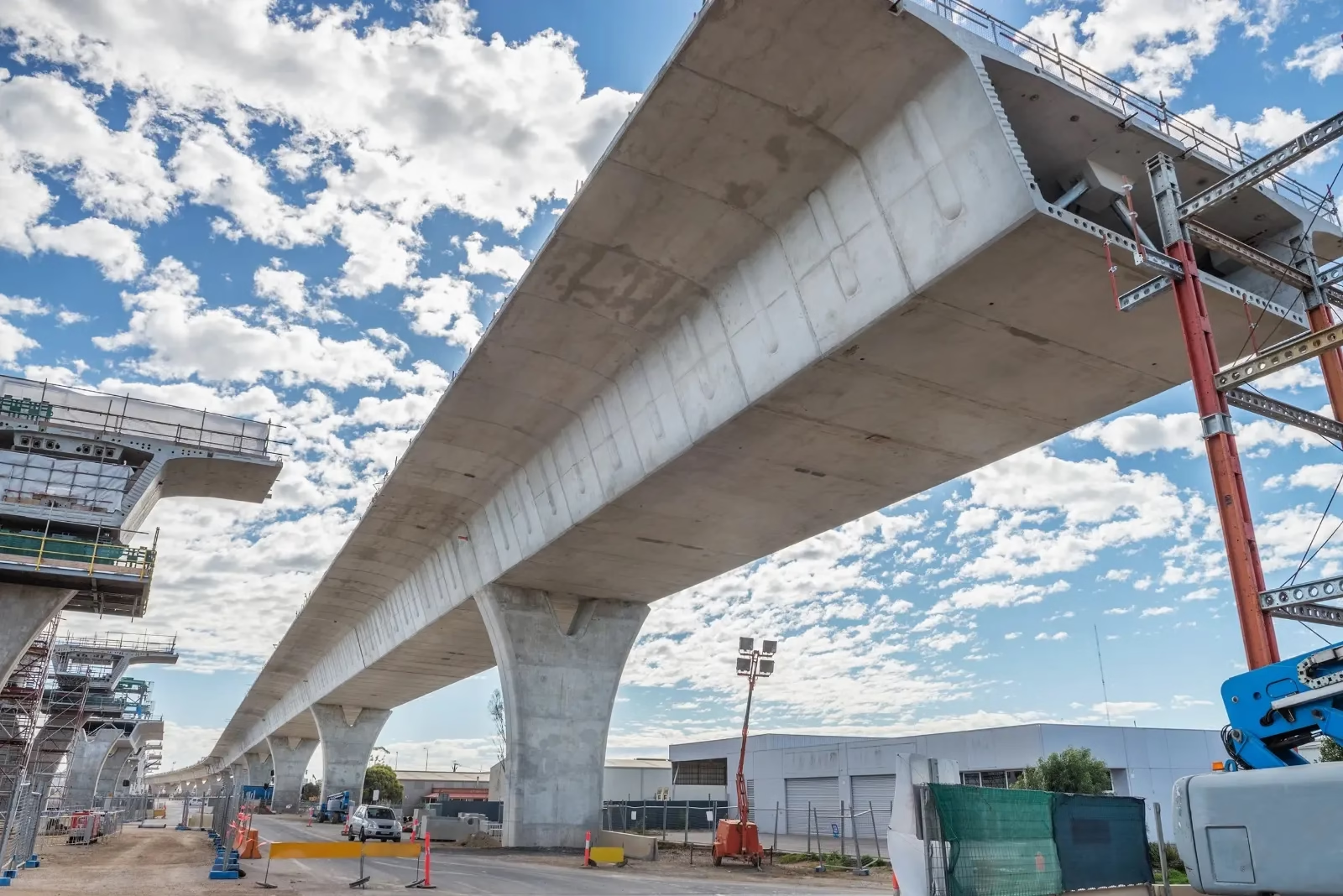
How ProjectVIEW ERP Applies to Roads, Highways & Bridges
Managing Dispersed Plant, Depots, and Materials Along Linear Corridors
Work extends over long distances, with heavy machinery, temporary depots, and material stockpiles spread across multiple locations. Earthworks, asphalt, aggregates, and precast elements are often stored and consumed far from the main site office. As a result, cost visibility and control become difficult.
ProjectVIEW ERP allows contractors to assign costs, materials, and plant usage to specific road sections, depots, or bridge works. At the same time, contractors maintain consolidated project-level financial control. Temporary yards, borrow pits, and precast storage areas can be treated as controlled cost centers rather than unmanaged overhead.
Example:
Track material consumption and equipment costs separately for embankment works, pavement layers, and bridge decks across multiple depots. This also maintains a single commercial view of the overall highway project.
Controlling Workforce Productivity Across Open and Non-Confined Sites
Unlike confined building sites, road projects operate across open terrain. Mobile crews face shifting work fronts and changing access constraints. Managing labor productivity, time allocation, and indirect costs becomes a major commercial risk when people are spread across kilometers of work.
ProjectVIEW ERP enables contractors to link labor costs and time reporting to specific road sections, work packages, or bridge components. This provides early visibility into productivity losses, idle time, and cost overruns before they become systemic across the project.
Example:
Identify declining productivity in earthworks or paving crews assigned to remote road sections. Then take corrective action before delays cascade across the construction program.
Managing Change in Ground Conditions and Temporary Works
Road and bridge projects frequently encounter unforeseen ground conditions, utility conflicts, and temporary traffic management requirements. These issues drive changes in method statements, temporary works, and sequencing, all of which carry cost and time implications.
ProjectVIEW ERP supports structured tracking of cost impacts related to temporary works, redesigns, and construction method changes. This allows project teams to assess commercial exposure as conditions evolve on site.
Example:
Quantify the cost impact of additional stabilization works or redesigned bridge foundations caused by unexpected soil conditions. Then ensure these changes remain commercially visible and contractually supported.
